The short answer: AI has changed how people search, so it changed what works in Google Ads. Queries are longer and more specific, searchers refine instead of settling, and 15% of daily Google searches have never been typed before. The advertisers winning right now target long, high-intent keywords, run tight ad groups, and write ads that mirror the exact search. Here’s the full playbook.
The Stat That Explains Everything
15% of daily Google searches are completely brand new. Let that sink in. Billions of searches a day, twenty-plus years of Google, and every single day people search for things nobody has ever searched before.
That’s not a trivia fact. It’s the clearest signal of how search behavior is evolving: people are getting far more specific, AI is changing how results are delivered, and if you’re still running Google Ads the old way, you’re paying for clicks that were never going to convert.
Why Search Behavior Is Shifting
People type longer, more detailed searches
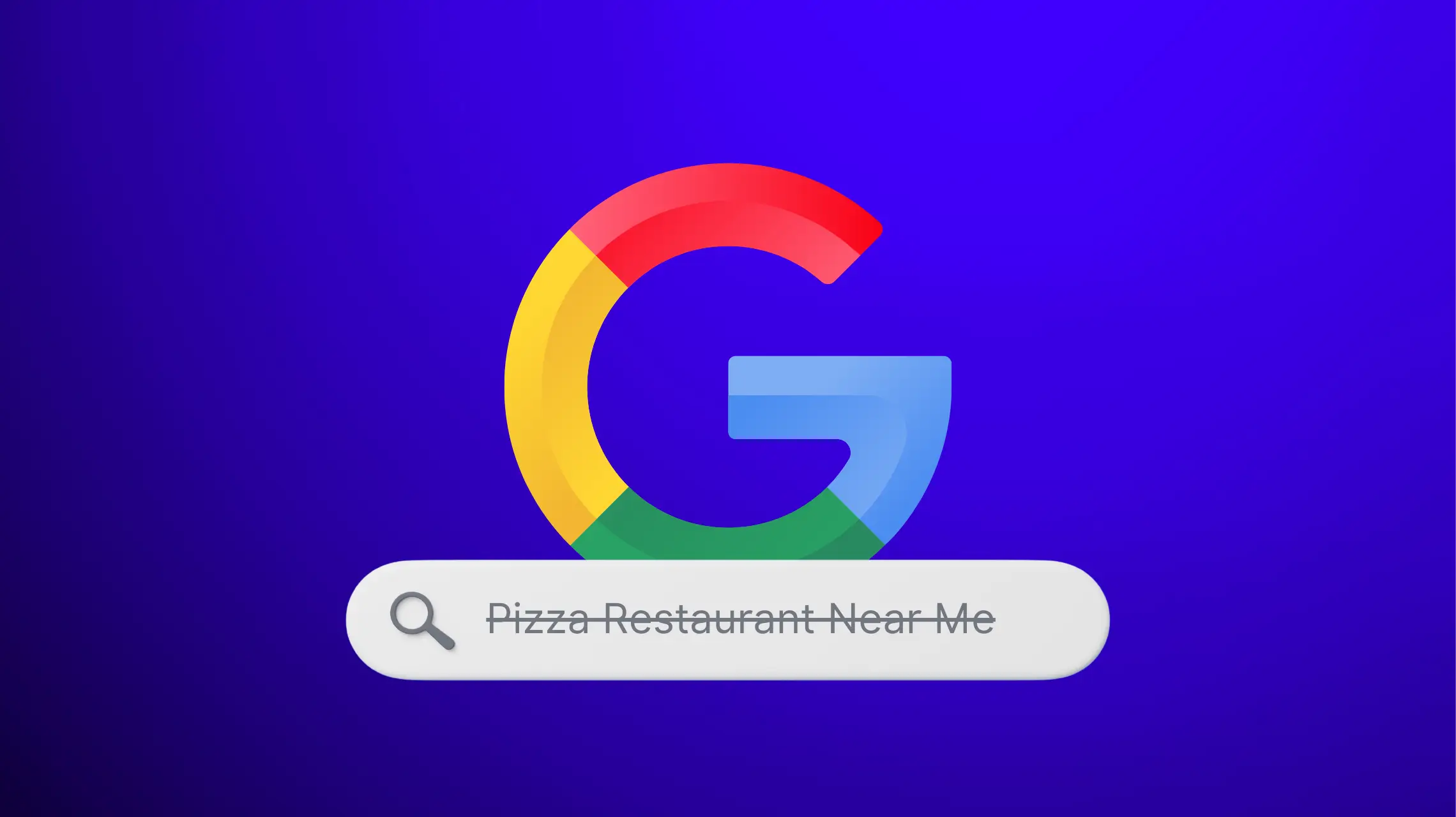
Instead of “pizza restaurant,” people ask for “best kid-friendly pizza restaurant near me with a play area.” More words mean clearer intent, and clearer intent is gold for advertisers who structure for it.
AI answers trained a new search habit
The way people talk to AI assistants is the way they now talk to Google: longer questions, follow-ups, refinements. Search sessions look like conversations, not lookups.
More searches per session
Instead of searching once and picking a result, people refine their search several times before choosing. That’s more ad opportunities per buyer, but only if your targeting and copy match each refinement.
The Old Playbook vs the One That Works Now
| Old playbook | What works now |
|---|---|
| Broad, short keywords | Longer, specific keywords with clear intent |
| Big ad groups stuffed with keywords | Tight, hyper-targeted ad groups per intent |
| Generic ad copy | Copy that mirrors the exact search |
| Set-and-forget negatives | Negative keywords built from real query detail |
| One offer for everyone | Offers built for specific search patterns |
How to Win With These Changes
1. Target longer keywords with clear intent
They carry lower volume, convert better, and usually cost less. The searcher who typed eleven words already told you exactly what they want.
2. Tighten your ad groups
Dumping keywords into broad ad groups doesn’t work anymore. Separate them into hyper-targeted groups that match distinct intents, so every ad speaks to one specific searcher.
3. Use negative keywords like a scalpel
Detailed searches let you refine harder. If your hotel doesn’t have a heated pool, “heated pool” goes in as a negative so you stop paying for clicks you can’t convert.
4. Mirror the search in your ad copy
If someone searches “budget-friendly hotels near the airport with a kids’ play area,” your ad should spell that out. People click the result that proves it understood them.
5. Build offers around search patterns
Searches for “pizza restaurant with a play area” are an argument for a kids’ night special. Searches for “running shoes for winter trail running” are an argument for featuring exactly that product. The more specific the offer, the better the results.
Frequently Asked Questions
Is AI replacing Google Ads?
No. AI is changing how people search and how Google delivers results, which changes what works inside Google Ads. Paid placements still sit on the highest-intent searches, and they’ve stayed stable through algorithm shifts that hit organic traffic hard.
Do long-tail keywords still matter with AI matching?
More than ever. Even with smarter matching, campaigns built around specific, high-intent phrases give the system better signals, and give you cheaper, better-converting clicks.
How often should I update my Google Ads strategy?
Review search term reports at least monthly. With 15% of searches being brand new every day, the queries you’re paying for this month didn’t all exist last month.
What’s the fastest fix if my campaigns are slipping?
Run a search term audit. Nine times out of ten the budget is leaking to broad matches that no longer reflect how your buyers actually search.
Stay Ahead of the Shift
This is exactly what we manage for clients every day: keyword strategy built for how people search now, tight campaign structure, and copy that mirrors intent. See our Google Ads management plans from $2,000/mo, check what Google Ads management costs across the industry, or book a free strategy call and we’ll audit your account’s search terms together.